
In 2025, for the first time, more code was written by AI than by humans.
Most of it has never been reviewed by anyone.
That's not a criticism of AI tools. They're genuinely useful, faster, cheaper, more accessible than traditional development. But it raises a question most business owners haven't had to think about before:
When nobody checked what was built, how do you know what you're sitting on?
A software audit is how you find out.
What is software audit, exactly?
Think of it as bringing in an outside expert to take an honest look at your system.
Not someone who built it. Not someone on your team. Someone with no stake in what they find, who can tell you what's actually there, not what everyone hopes is there.
They look at whether the system is secure, whether it can handle growth, and whether someone new could take it over, or would spend months lost in it.
What comes back isn't a verdict. It's a map, a clear picture of what's working, what's at risk, and what deserves attention before your next move.
One thing worth knowing: this is different from a code review. A code review happens during development, by someone on the same team, focused on new code. A software audit is independent, broader, and focused on what the state of your system means for your business, not just the technical details.
What AI changed - and what it didn't
AI tools have made building software faster and cheaper than ever.
What they haven't changed: the standards a system needs to meet once it's running a real business.
Security still matters. The ability to scale still matters. The ability for a new developer to understand and maintain what's there - that still matters too.
Here's the thing about AI-generated code: it's optimized for a working result. It takes the shortest path from prompt to output. It doesn't know your plans for next year, your security requirements, or what happens when your user base doubles overnight.
That's fine for moving fast. It's less fine when nobody ever steps back to ask whether the foundation underneath is actually solid.
Consider a common scenario: a business owner builds an internal tool with an AI coding assistant. It works perfectly for the team of five using it. Six months later, they want to connect it to their CRM, add user permissions, and open it up to clients. Suddenly the developer they bring in to do that work comes back with a long list of things that need to be fixed before any of that is possible.
Not because the tool was badly built. Because it was built for one purpose, fast, without anyone checking whether it could grow.
The gap between "it works" and "it's ready for what's coming" has always existed. AI has just made it easier to miss, because the working part happens so quickly that the checking part gets skipped.
When does a software audit make sense?
There's no single right moment. But a few situations come up regularly.
When you're about to build something significant - New features, new integrations, a new payment flow. Every new thing you build on top of a weak foundation makes the underlying problems more expensive to deal with later.
An audit before you build tells you what you're actually building on, and in most cases, the time saved by knowing upfront is worth more than the audit itself.
When a new development team is coming in - Handing a codebase to a new team without knowing what's inside creates problems that compound quickly. Inaccurate estimates. Unexpected delays. Developers spending weeks figuring out what the previous team left behind.
An independent review gives everyone a clear starting point. Less confusion, better planning, fewer surprises.
When serious questions start coming up - From investors, from enterprise clients, from your own leadership team. At some point, "I think we're fine" stops being a sufficient answer, and the moment that question comes up in a meeting is not the right time to find out you don't have a better one.
A software audit gives you something concrete to point to. Documented evidence of where your system stands, in plain language.
When a lot of the code was written by AI - AI-generated code can be solid. It can also have structural issues that don't surface until you try to scale, add a feature, or hand the project to someone new.
If an important part of your codebase came from AI tools, whether that's Cursor, Copilot, or custom prompting. A targeted review before your next growth phase is a small investment compared to finding out the hard way.
What actually happens during one
A senior engineer gets access to your codebase.
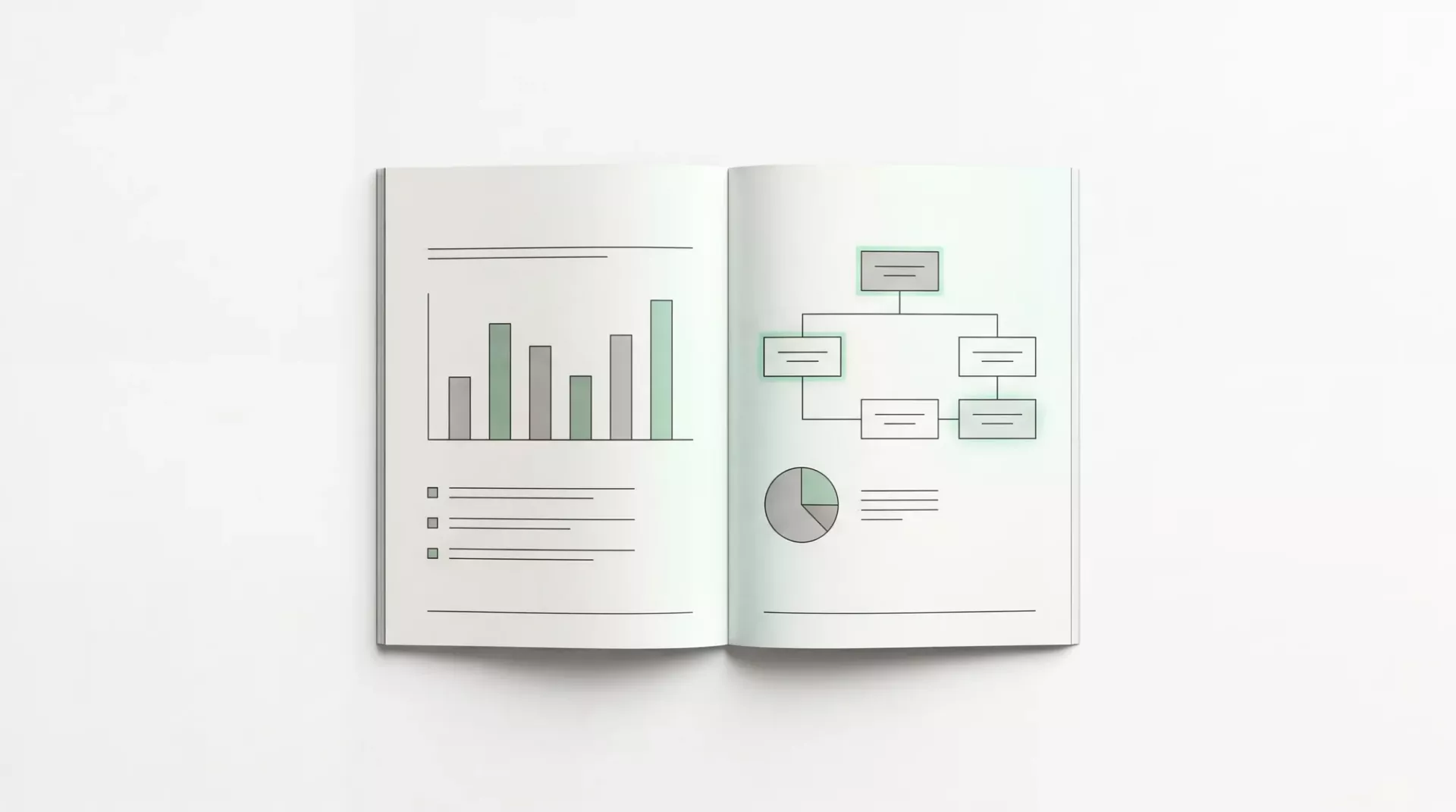
They look at what matters for your situation, security risks, how the system is structured, whether it can handle growth, and how maintainable it actually is for whoever works on it next.
The findings come back as a written report a plain language, no jargon, the kind you can easily read without a developer sitting next to you.
There's also a call to walk through everything directly. So if something in the report raises a question, you ask it then and there without waiting, without going through a middleman.
You come out knowing where you stand. That's it.
Not a verdict. A starting point.
A software audit doesn't tell you your system is broken.
It tells you what's there.
Sometimes that's reassuring, the system is in better shape than expected, and you can move forward with confidence. Sometimes it surfaces something worth addressing before it becomes expensive.
Either way, you leave with a clear picture instead of an assumption. And that tends to be worth more than most people expect before they do one.
If you have ani questions, contact us or check out Code Audit page