
Not long ago I came across a job title I hadn't seen before.
Forward Deployed Engineer.
I assumed it was some kind of niche infrastructure role and scrolled past it. Then I saw it again. And kept seeing it.
Turns out it's one of the fastest-growing job titles in Silicon Valley right now. And when I actually looked into what it means, my first thought was: isn't this just what good software development has always looked like?
So what is it?
DefinitionForward Deployed Engineer (FDE) — a software engineer embedded directly within a client organisation who both understands the business problem and builds the technical solution. Unlike traditional developers who work from a specification, an FDE stays close to the client throughout the entire project, adjusting the solution based on what actually happens in the real environment.
The term was borrowed from the military, where a forward-deployed soldier is stationed close to where things are actually happening. In tech, the idea is the same: someone close to the problem, not managing it from a distance.
This way of working has always existed in good software teams. What's new is that Silicon Valley is now hiring for it by name.
Forbes puts it simply: FDEs are most valuable in dynamic, fast-moving environments where staying aligned with the business requires ongoing presence, not a one-time handoff.
That's an important distinction. An FDE isn't just someone who builds things. It's someone who understands what needs to be built and why, and stays accountable for making sure it actually works in the environment it was built for.
Why is everyone hiring for this now?
The short answer is AI.
AI tools have made it easier than ever to build something fast. But fast doesn't mean right. Most enterprise AI projects don't fail because the model was bad. They fail because nobody made sure the solution actually fit the organization it was supposed to serve.
The model works. The deployment doesn't.
Someone still needs to understand the workflows, the edge cases, the dynamics of who uses what tool and why. Someone needs to sit with the people who will actually use the thing and figure out what they actually need. AI can't do that part. A good engineer who's been in the room can.
The New Stack covers this well: as AI accelerates how fast code gets written, the bottleneck shifts. The hard part is no longer building. It's understanding what to build in the first place.
That's not a new idea. It's just that the industry is finally putting a job title on it.
What this means if you're building something
The FDE trend is the industry's way of admitting something that a lot of founders already know from experience.
Handing a brief to a development team and waiting for the output doesn't work as well as it sounds. Something gets lost in translation. The team builds what they were told, not always what was actually needed. And by the time anyone notices, real time and money have already been spent.
It's not a failure of skill. It's a failure of proximity. The developer was too far from the problem to catch the misalignment.
The better approach is to have someone close to the problem throughout. Someone who understands the business context, not just the technical spec. Someone who can catch the misalignment before it becomes expensive.
That sounds obvious. But it's surprisingly rare in practice, which is exactly why it's now one of the most sought-after skill sets in Silicon Valley.
Why it sounds familiar to us at Rocksoft
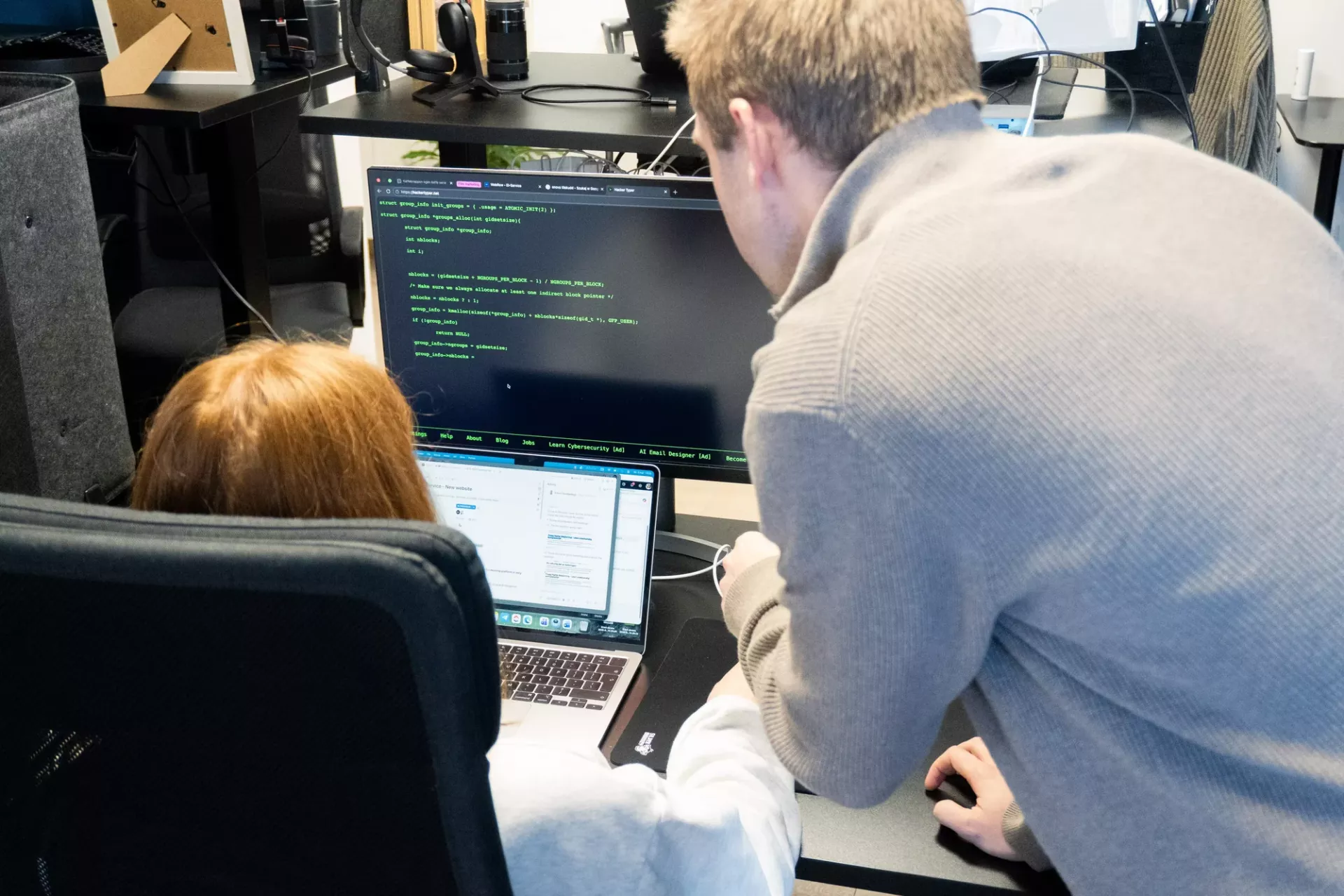
When I read about what Forward Deployed Engineers do, I kept thinking about how we work.
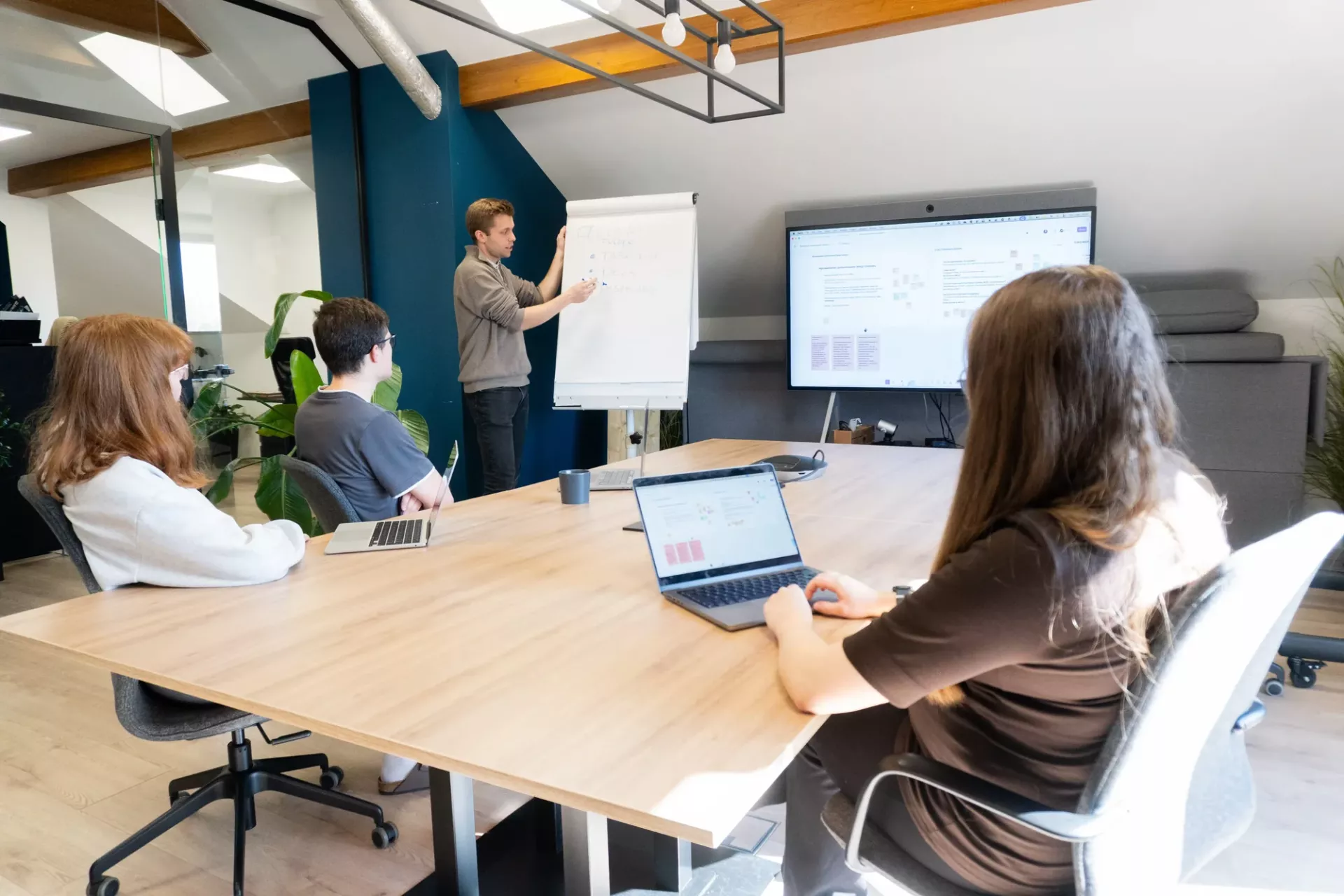
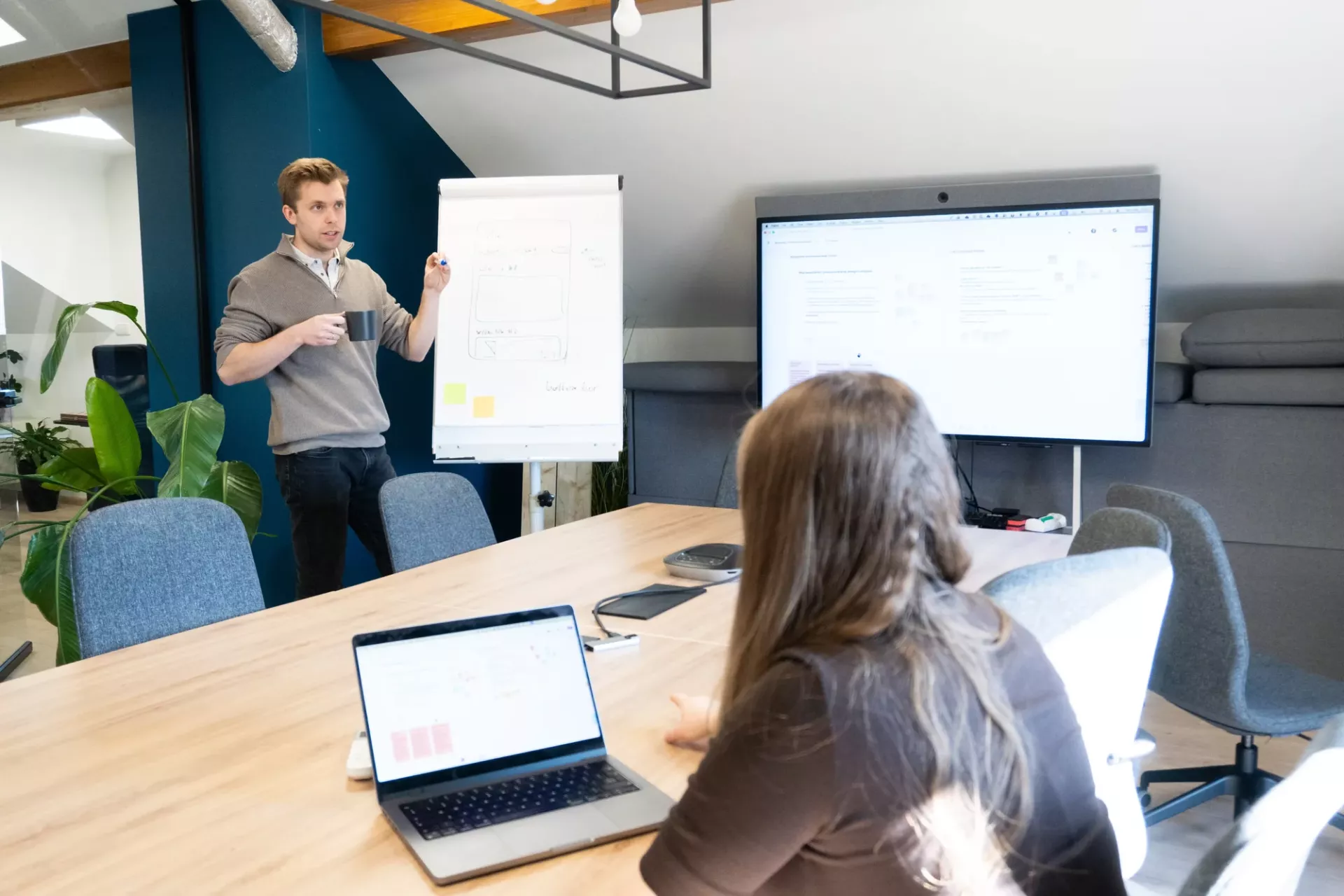
Before any build starts, we run a Discovery Workshop. A structured session where we work through what's actually needed before anyone writes a line of code. Not because it's a process we follow, but because we've seen what happens when you skip it.
And what happens if you skip it?
You end up building the wrong thing very well.
Through our AI Engineering Partner service, the same thinking applies. AI can generate fast. Our engineers make sure what gets generated is the right thing, safe to ship, and actually connected to what the business needs.
I didn't know "Forward Deployed Engineer" was a job title until recently. But the idea behind it, understand the problem first and build second, is something we've been doing from the start.
The bigger point
Silicon Valley is starting to put a job title on something that the best software teams have always done quietly.
The businesses that get the most out of AI, and out of software in general, aren't the ones that move fastest. They're the ones that have someone in the room asking the right questions before the build starts.
That's what a Forward Deployed Engineer is. And if the concept resonates, it's probably because you've already felt the difference between a team that understood your problem and one that didn't.