

It's usually the second question. Right after the budget one.
You have an idea. You've started thinking about features. And at some point you need to know: how long does it actually take to build a mobile app?
The internet will tell you anything from six weeks to two years. Both are technically correct. Neither is very useful.
And in 2026, the question has gotten more complicated. A lot of founders arrive with something already built, a prototype put together with AI tools over a weekend. Sometimes it's solid. Sometimes it looks ready but has gaps that only show up when real users hit it.
Either way, the starting point has changed. And that changes the timeline too.
Why every answer you've found online is different
Two apps can sound almost identical and require completely different amounts of work.
A simple app with a few screens and no backend is a different project from one with user accounts, payments, third-party integrations, and content that needs managing. Both might be described as "a mobile app for my business."
The timeline for one might be 8 weeks. The other might take six months.
The variables that matter most are scope, complexity, platform choice, and more than anything else, how clearly the project is defined before development starts. That last one is where most timeline estimates fall apart.
Three projects. Three very different timelines.
The best way to answer the question is with real examples.
Beredt - 8 weeks
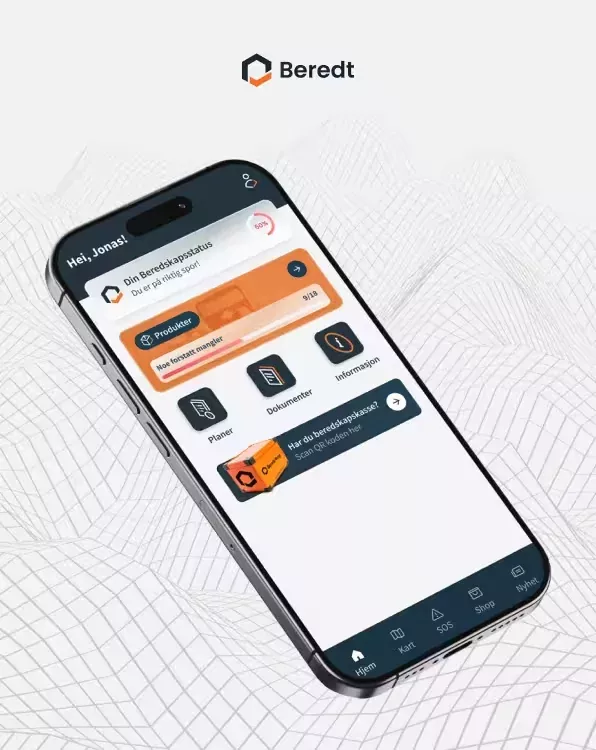
Beredt is an emergency preparedness app for Norwegian families. A personal assistant that helps you organize supplies, create safety plans, and stay ready for unexpected situations.
The client came to us in late October. Another development team had started the project but stalled. The goal was clear: launch before Christmas.
We reviewed the existing codebase, found what was missing, completed the core features, redesigned the interface, and launched on both iOS and Android.
Eight weeks. Six people. Sixty screens.
That's fast. It was possible because the scope was defined and the decisions were already made. The team could build without stopping to figure things out.
That eight weeks covered the launch to MVP. What followed was another six months of improvements, new features, and refinements based on real user feedback. The initial timeline gets you live. The product keeps moving after that.
Read more about Beredt app here.
Lengi - 6 months
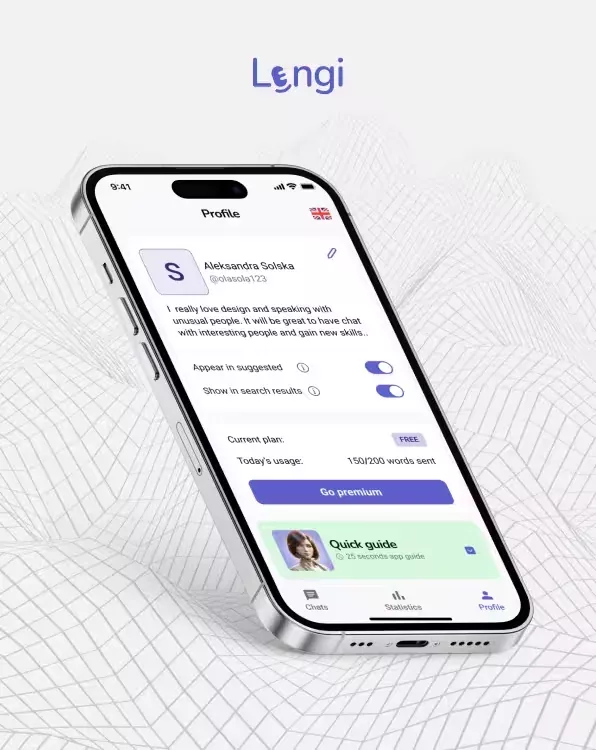
Lengi is a language learning app that uses AI to simulate real conversations with native speakers. You practice speaking, get real-time feedback on your messages, and track your progress through streaks and statistics.
We handled everything from the beginning: market research, wireframing, prototyping, user testing, AI integration, backend architecture, and launch on both platforms.
Six months. A small team. After launch: 3,000 downloads, 12 paid subscriptions in the first weeks.
The timeline reflects the scope. Real-time AI feedback, multiple user flows, a subscription model, accuracy checking across languages. These things take time to build well. Rushing them would have shown.
Read more about Lengi app here.
Pelican - 24 weeks
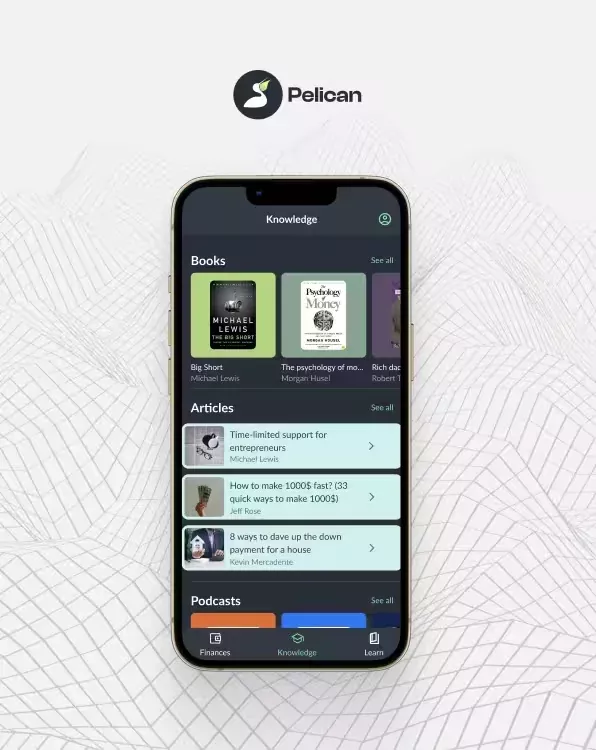
Pelican is a financial education app that helps users understand money, savings, and investments, with AI-assisted guidance built in.
We built it as a web app first, then moved to mobile. The MVP covered a personalized finance dashboard, a knowledge hub with articles and podcasts, and the foundations for a subscription model.
Six people. Thirty screens. Twenty-four weeks for the first phase. The product is still growing, with new features added based on real user data.
Read more about Pelican app here
What the numbers show
Three projects. 8 weeks, 6 months, 24 weeks.
Beredt was fast because the scope was focused and the deadline was fixed. There was no room for "what if we also added..." mid-build. The constraints helped.
Lengi took longer because it was built from scratch with complex AI features that needed to work well from day one. The timeline was earned by the complexity.
Pelican sits in the middle. A product with real depth, built in phases, starting with web to reduce early risk.
Different products, different timelines. All reasonable for what they were.
The thing they have in common: none of them were surprised by how long it took. Because the scope was clear before the first sprint started.
Where time actually goes
It's rarely the development itself.

Scope that keeps growing. A new feature gets added mid-sprint. A priority shifts. Someone changes their mind about a core flow. Every change mid-build costs more time than the same change would have cost before development started.
Requirements that weren't defined upfront. When the team has to stop and wait for a decision that should have been made in week one, work slows down. Sometimes it stops entirely.
AI-generated code that looked done but wasn't. A founder builds a prototype with AI tools, hands it to a development team, and the team discovers that core flows, registration, payments, edge cases, were never properly finished. The code runs, but it's not production-ready. Before building forward, someone has to go back. That's unplanned time that nobody budgeted for.
Integrations that looked simple. Connecting to a payment provider, a CRM, or an external data source almost always takes longer than the planning estimate. APIs are inconsistently documented. Edge cases multiply.
Feedback cycles that drag. A two-week delay on a design review, repeated three times, is six weeks off your timeline. This is one of the most common and most preventable causes of delays.
The one step that predicts everything else
Projects that start with a clear specification finish faster.
Not slightly faster. Consistently, measurably faster, with fewer surprises and fewer costs that weren't in the original plan.
If you're building a mobile app, that clarity matters even more - mobile projects carry more variables than most.
A clear specification means an agreed feature list for version one, documented user flows, defined technical constraints, and a shared understanding of what success looks like at launch. Not in six months. On day one.
That's what a Discovery Workshop is for.
Before any build starts, we work through the product together. What gets built, in what order, and what waits for version two. What platform makes sense. What integrations are needed on day one versus later. Where the risks are. You leave with a document, not a pitch deck, but an actual specification that a development team can work from.
It's the step most projects skip. It's also the one that most late, over-budget projects wish they hadn't.

Want to know how long your app will actually take? Start here.