Imagine this:
Project was planned in January.
In March, the market changed.
In April, new technology arrived.
In May, the client shifted priorities.
And the plan?
The plan still says, “We execute what we agreed at the beginning.”
Twenty-five years ago, a new document was created to stop this scheme.
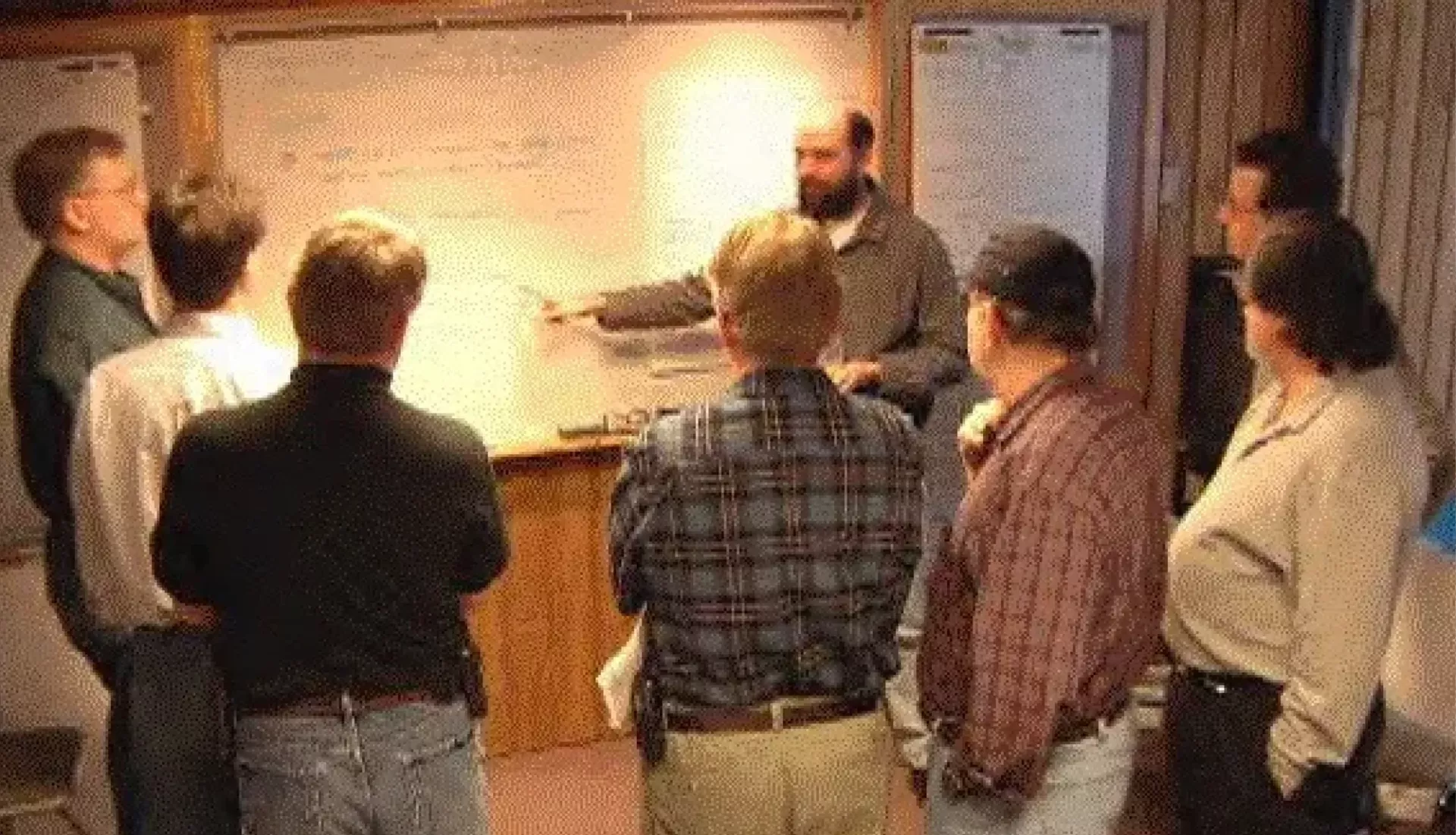
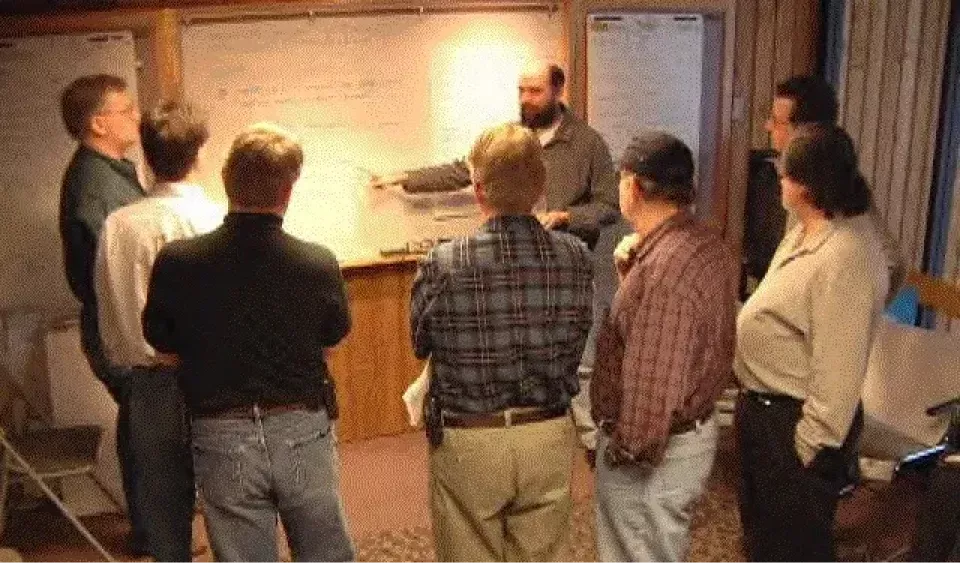
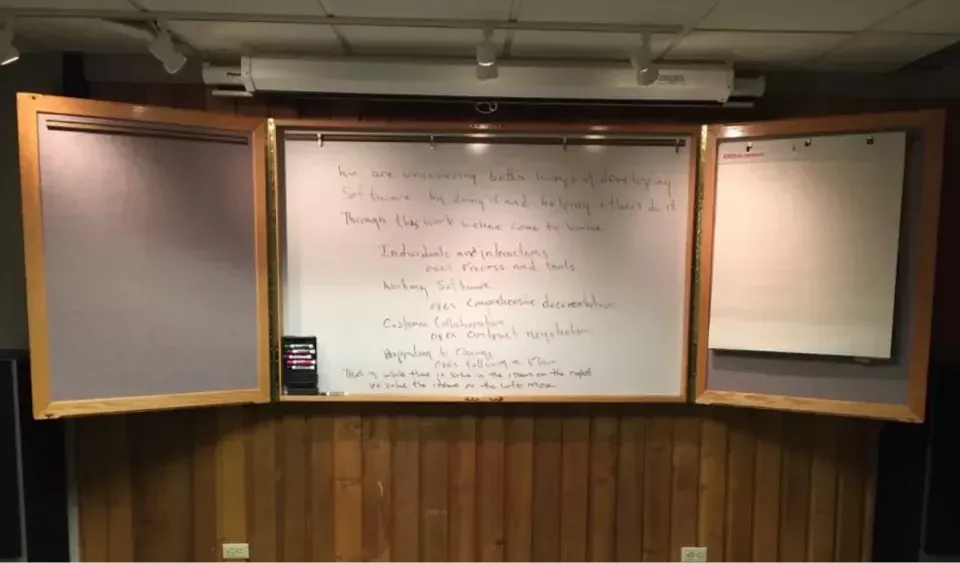
The turning point came in 2001 when a group of practitioners gathered in Utah at Ski Resort The Lodge at Snowbird and wrote down four simple values, calling them the Agile Manifesto for Software Development, complemented by twelve supporting principles. That was the first time the values and principles of what we now know as “being agile in software development” were formally articulated.
Today, 25 years later, this mindset still defines how we work at Rocksoft.
Why are we celebrating this anniversary at Rocksoft
We don’t celebrate because of sentiment or trends.
We celebrate because Agile is not just a methodology for us.
It is the ground of our work.
We don’t sell “development hours.”
We don’t blindly follow the brief.
We don’t stick to the plan at the expense of business value.
Instead, we:
- Adapt
- Advise
- Co-develop
From the beginning we knew one thing: in IT, change is the only constant. Technology changes constantly, business models transform. User expectations rise faster than before.
Sticking to the plan does not give you an advantage; the advantage is the ability to adapt.
That is why Agile became part of Rocksoft DNA.
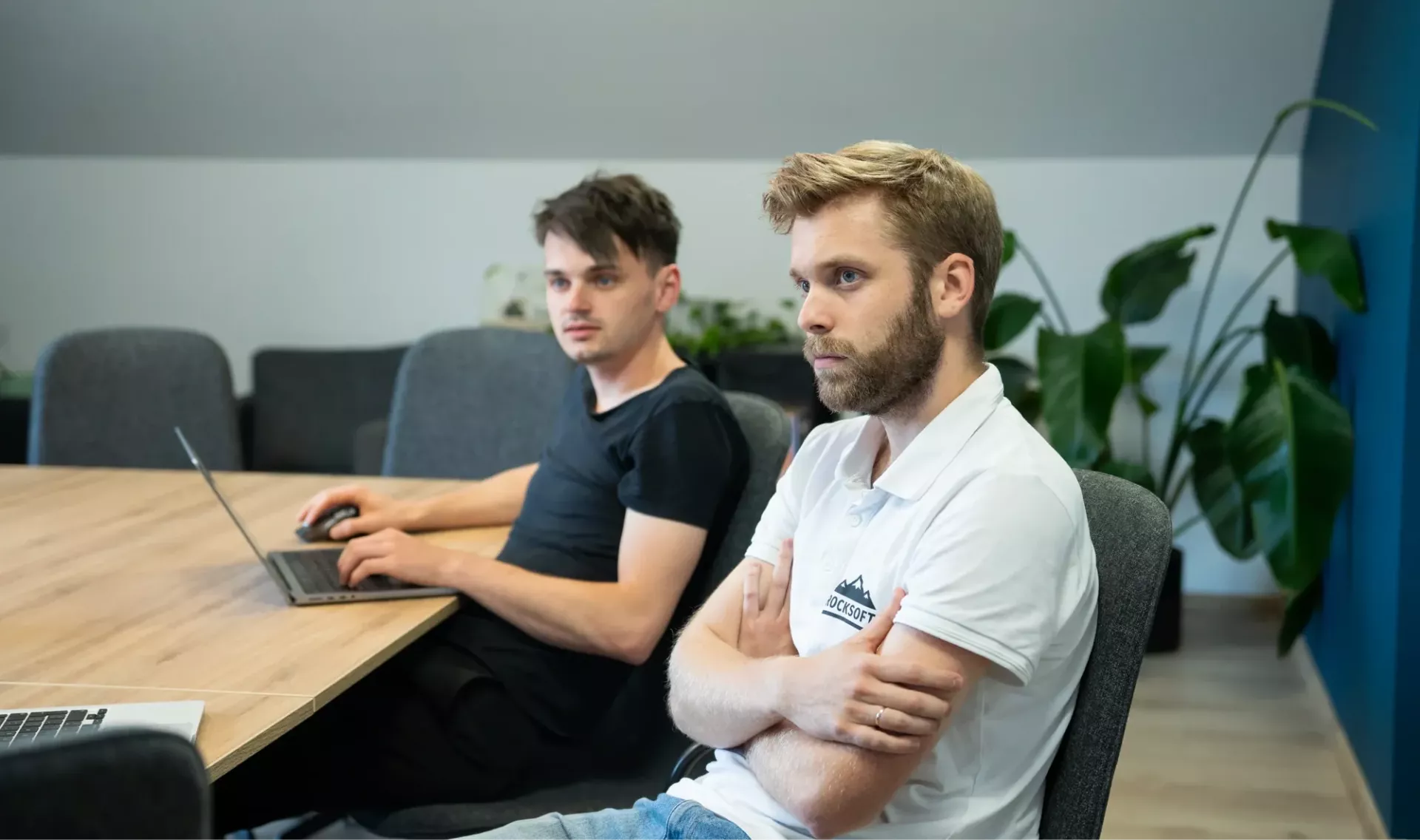
Agile changed the relationship with clients.
Agile changed not only schedules but also relationships between clients and IT companies.
We went from an “ordering-contractor” model to a Partnership.
In the traditional Fixed Price model, the scope is closed, and change is treated as a problem; in a flexible model, change is a natural element of product development.
We work in short cycles.
We show early results.
We regularly get feedback.
We work transparently.
Which makes the client a coauthor of the project.
We connect stability with flexibility and structure with adaptation.
If you're interested in this topic, read more about our ‘Proactive Reporting’ Manifesto at Rocksoft.

Agile in practice for IT projects
For many companies, Agile means sprints, stand-ups, or tools for task management.
For us, in practice, Agile is a way of making decisions in IT projects.
Agile Software Development means:
Short steps instead of many months of analysis.
Feedback as an element of strategy.
No theoretical assumptions.
Flexible work.
In practice we work in a cycle:
Idea – prototype – validation – development
Early validation reduces risk and improves decisions.
AI and the new work pace
Twenty-five years ago, Agile shortened cycles from months to weeks.
Today, thanks to AI, we can in some cases shorten our work from weeks to days.
We use Artificial Intelligence to generate easy and fast concepts, speed up the prototype process, or create our own versions of solutions.
But the rules stay the same:
Verify and deliver value fast.
Technology changes quickly, but the mindset stays the same.
AI doesn’t replace Agile. It strengthens it.
It shows that Agile is not a closed history from 25 years ago; it changes together with us.
Twenty-five years later – What really changed
Agile changed not only the way of project management but also work culture.
Instead of looking for someone to blame, we look for solutions.
Instead of defending our original assumptions, we verify them.
Instead of closing ourselves to specifications, we talk.
Thanks to this, we build software that not only works technically but actually supports the development of the companies we work with.
Why this anniversary matters so much to us
The Agile Manifesto changed the IT industry.
At Rocksoft, it has transformed the way we build relationships, make decisions, and develop software.
This anniversary is really important to us because it reminds us that agility isn’t a trend. It’s a strategy.
And in a world that’s changing faster than ever before, a strategy based on adaptation is one of the safest and most strategic decisions.
If you’re looking for a technology partner who understands that your business is changing, let’s talk.